

Negli ultimi 18 mesi della pandemia di COVID-19, i ristoratori di tutto il mondo hanno continuamente sofferto nell’ultimo anno, soprattutto i piccoli esercizi indipendenti. Se c’è un barlume di speranza che molti di loro hanno sperimentato, mentre le linee guida sulla salute pubblica continuano a evolversi, è che molte città hanno allentato le loro politiche e permesso ai ristoranti di costruire rifugi temporanei sui marciapiedi e nelle strade come mezzo per mantenere a galla le loro attività. Ma nella vita dopo la pandemia, come dobbiamo affrontare questi assetti? Dovremmo trasformarli in qualcosa di più permanente e permettere di mangiare all’aperto?
Se ne parla in questo articolo pubblicato su ArchDaily
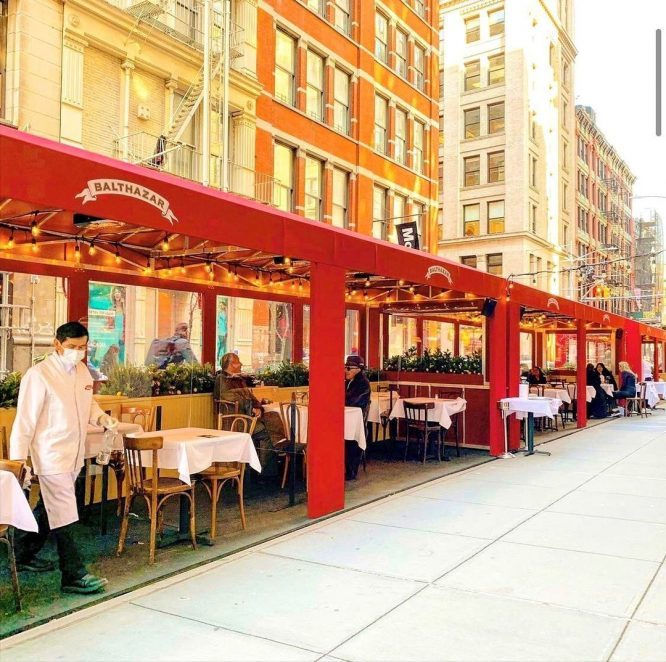
What Cities Get Wrong About Making Outdoor Dining Permanent
Outdoor dining is hardly new but was another trend that was accelerated almost overnight as a result of the pandemic. Almost as fast as the workforce adopted working from home, restaurants evolved, set up tables outside, and the entire way we used the streets was changed. There is something that feels very European about the al fresco dining experience that many people in cities have been enjoying. Most of these temporary shelters feel more permanent, with igloos, pods, and roofed stands complete with air conditioning, heating units, televisions, cozy furniture, and electrical charging outlets, they almost feel like the indoors, but just on the sidewalk.